100% remote design sprint to validate business idea in 5 days
Broca
About the project
When we were approached by the client, he had an idea for a software tool for marketers and wanted to build a prototype to test it on the market. Learning this, we’ve suggested to the client a faster and cheaper way to validate business ideas – the Design Sprint.
The client agreed and we were able to find out if there is a market need for such a product and to identify the right part to start with, everything fully remotely and without writing a single line of code. Here is how we have done it.
Our tasks

Developing the idea
Starting with the client’s vision, we needed to work on it together to set a long-term goal for the project, identify the right customer segment, and build a Unique Value Proposition.

Building low-fidelity wireframes
As the ultimate goal of the Design Sprint is to validate the idea by testing the prototype with customers, we needed to build a clickable prototype and interview potential users.

Validating business idea
Guided by the principles of the Design Sprint, we aimed to answer critical business questions and validate the idea for a product through design, prototyping and testing ideas with customers.
01
Challenges
1. Finding product-market fit
2. Conducting the Design Sprint 100% remotely

As Neoteric we have extensive experience in the realization of workshops in various forms, but this time it was a fully remote Design Sprint (each team member worked from a different location) and the time difference between the Neoteric team and the client and experts was 9 hours. The biggest challenge for remote workshops is to maintain the energy and commitment of participants. The carefully planned Design Sprint tasks come to the fore, as well as the organization of breaks at the right moments and rational planning of the duration of the workshop.

Maciej Borkowski / Service Delivery Manager, Neoteric
02
Solutions
1. Adjusting the Design Sprint framework to remote work
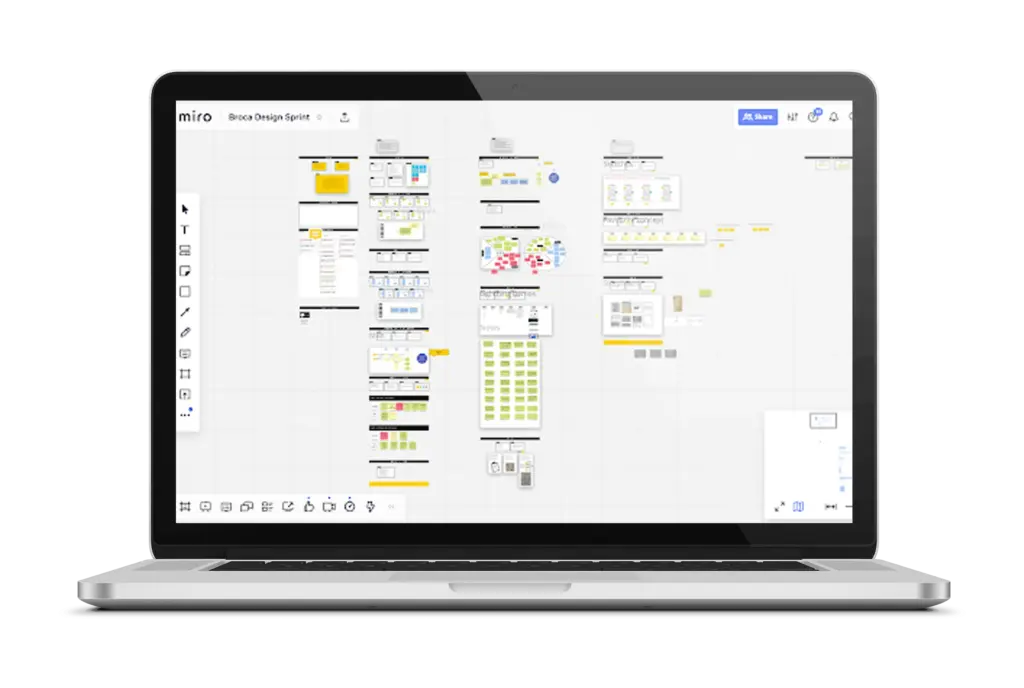
2. Choosing the tech stack to run the Design Sprint remotely
3. Building an interdisciplinary team
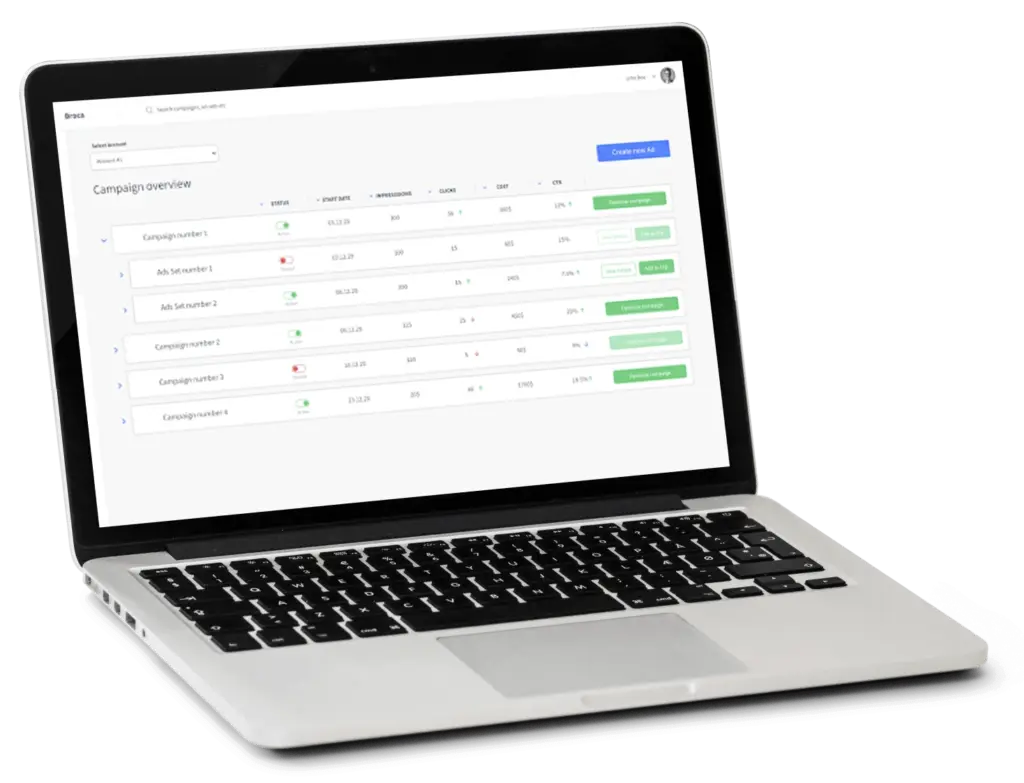
4. Building a simple app prototype
5. Testing an app prototype remotely
Technology we used

Adobe XD

Google Meet

Miro
03
Project Results

Validating the idea positively in 5 days instead of 2 months
During the Sprint, we’ve managed to set a long-term business goal with success criteria and metrics, build a Unique Value Proposition for the user, map customer journey, build a simple prototype, and test this prototype during user interviews. The reception was positive. What turned out, though, was that if we decided to proceed with the development, we would need to limit the initial scope and focus on a smaller number of features than we expected at the beginning of the Sprint. If we had built the prototype before running the Design Sprint, we would have spent 2 months and waste the budget to end up with a product that doesn’t meet users’ expectations.
Providing the client with a report and recommendations for further development
Just like with any other workshop that we run, we provided the client with a comprehensive workshop report with a summary of all the findings and recommendations for further development.
Conclusion