Improving the performance of the GPT-4-powered chatbot by 1900% with Pinecone, LangChain, and embeddings
Spren
Project Overview
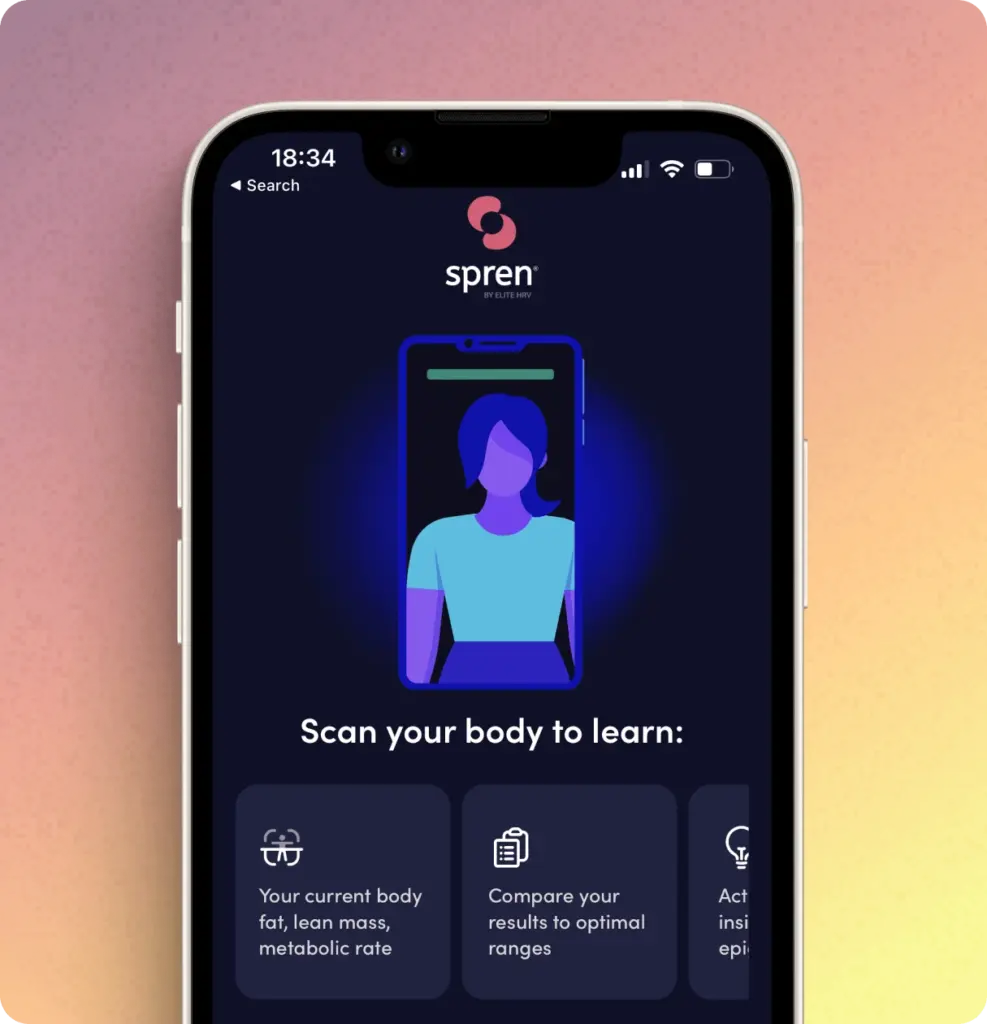
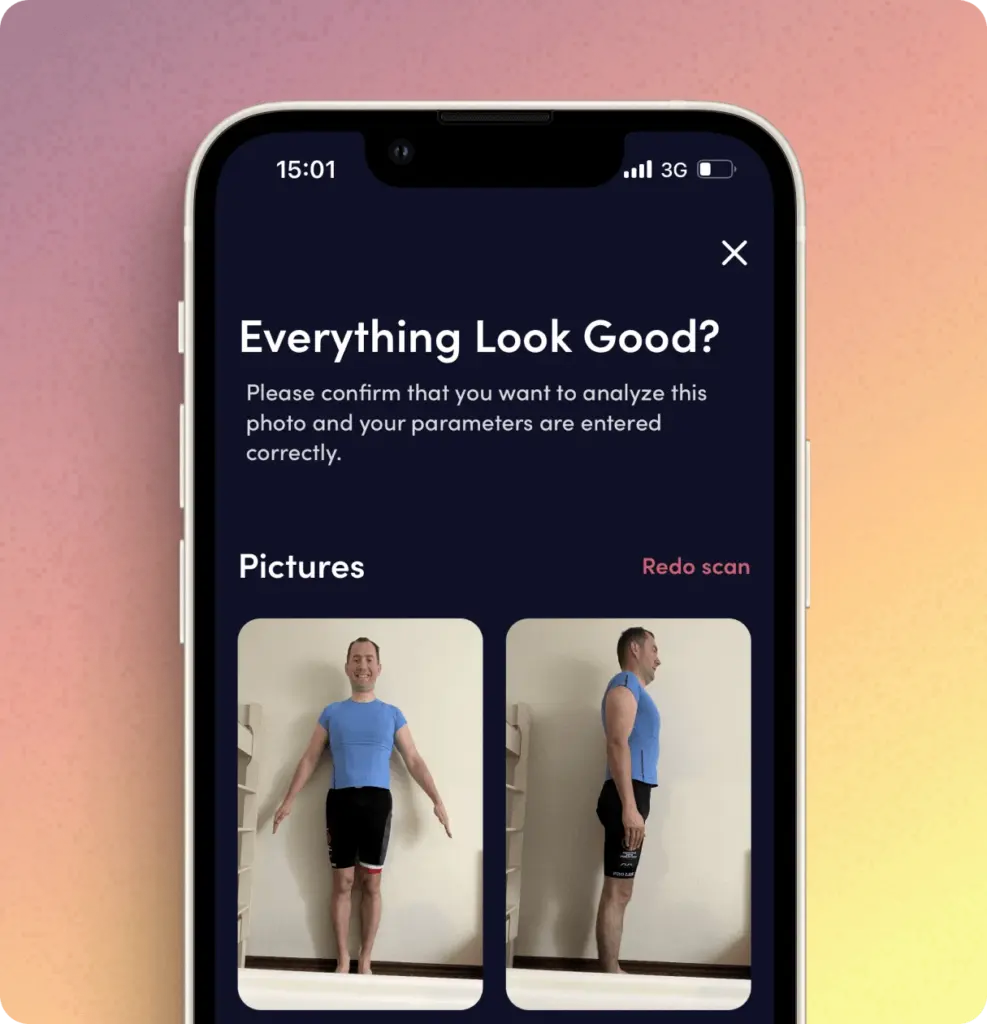
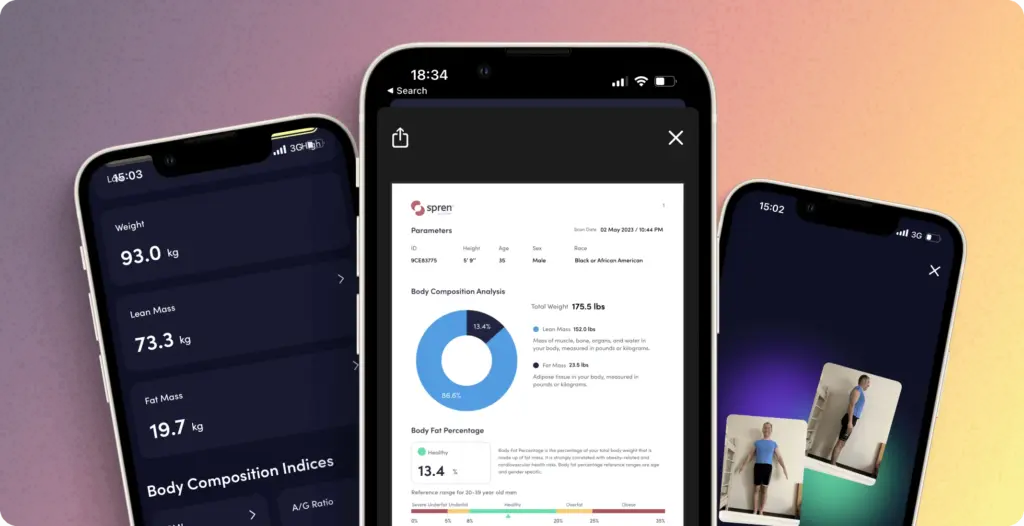
Spren saw potential in utilizing generative AI to provide users with recommendations and answers to their questions and increase user engagement. They had an idea to integrate the GPT model into their chat. The model would then combine user context with an industry-specific knowledge base to provide users with reliable answers and recommendations.
Our tasks

GPT Integration
To improve its usability and general look & feel, we designed a completely new UI for the application.

GPT Optimization
Using React, Typescript, NestJS, AWS, and Terraform, we developed the new Latch platform from scratch.

Back-end Optimization
To streamline internal processes, we implemented 3rd party tools for intelligent sentiment analysis, product analytics, and message automation.
01
Goals
Increasing user engagement
Making data more understandable
Improving the app’s performance

The Neoteric team were excellent as a staff-augment to our engineering team. The leadership group took the time to understand our needs and recommend the right augment skillsets. Their engineers work hard and fast, always keeping us on our toes! We’re pleased with the combined end product and look forward to working with the Neoteric team again.

Vivek Menon, Co-founder of Spren
02
Challenges
Long time to response
Unstructured data
GPT hallucinating
03
Our approach
Testing different models
Increasing model performance by using embeddings
Filtering the knowledge base with a relevance score
Basing architecture on LangChain
Technology we used

Copilot

Pinecone

Langchain

GPT-3.5
GPT-4
04
Results

Shortening the bot’s time of response by 95%
Thanks to implemented solutions and optimizations, we managed to decrease the bot’s response time in the mobile app from ~40 seconds to ~2 seconds. This significantly improves the usability of the solution to the end users.
Delivering an MVP ready to be tested with users
One of the goals at this stage of the project was to validate the assumptions and test the idea of introducing an AI-powered assistant to the app. The MVP that we helped to deliver enabled successful tests with users and further product development.